Oct 8, 2026
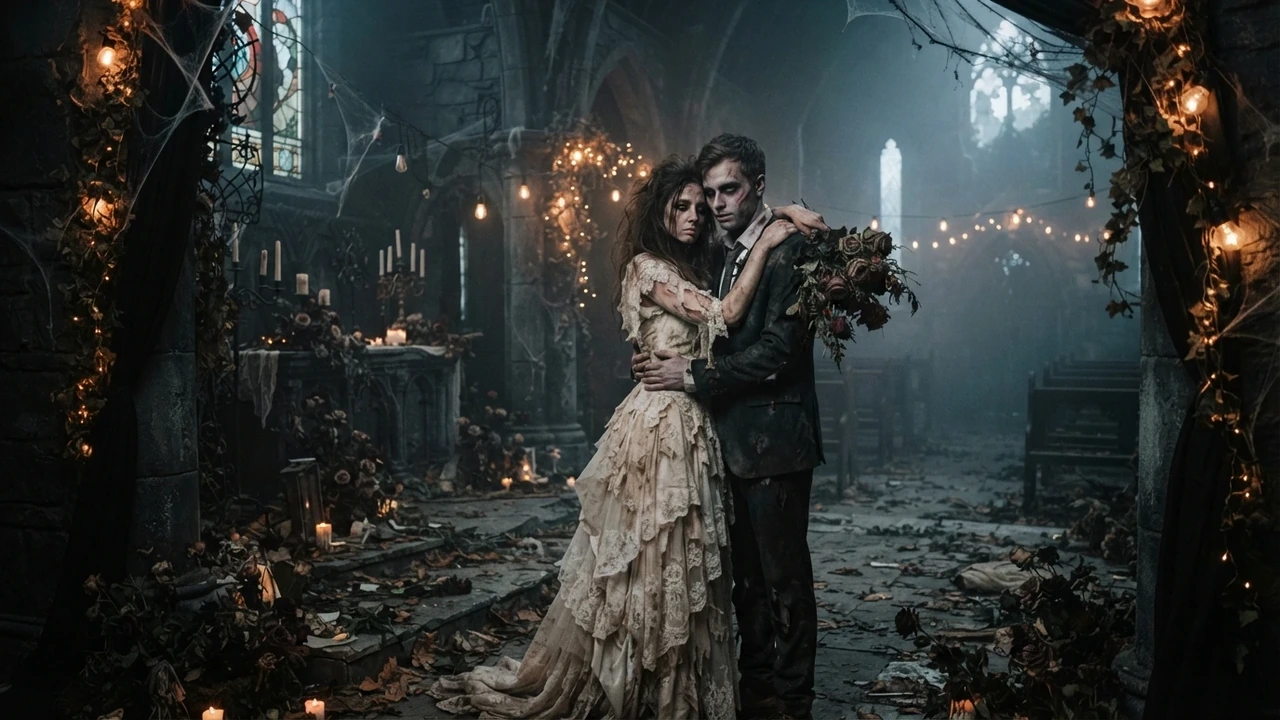
Zombie Love Story AI: How the Trend Works
The zombie love story AI trend explained: the four emotional beats, why it spread on short video, and how a photo becomes a cinematic clip of your own.
No tool can honestly claim it creates the most realistic zombie transformation, because the clip is rendered by a third-party model and the output is probabilistic — the same photo can produce a different result on two runs. What you can control is everything around the render: the source photo, the lighting, the beat you ask for, and the grade the model applies. On Zombie AI the subject is your own uploaded photo, so the face in the clip starts from the face you gave it.
Realism in these clips is less about gore and more about consistency. Four things do most of the work:
Recognisable is a goal the model works toward, not a guarantee, and the source photo is the biggest lever. A sharp, well-lit, front-facing portrait gives it the clearest reference; heavy beauty filters, motion blur, a face turned away, or a face that is tiny in the frame all give it less. When you review a draft, look first at the eyes and the jaw line — those are where drift shows up first — then at the light and the motion. If the face has slipped, regenerate from a better photo rather than paying to download a clip you will not use.
Zombie AI runs five effects on one image-to-video pipeline: the two-photo zombie love story, the zombie pet, AI Halloween makeup, AI mini me, and AI make things giant. You supply the photo and, optionally, the prompt; the provider renders the motion. What the pipeline does not do is promise a specific result — a run can come back wrong, and a failed run does not charge a credit. Review every clip before you publish it, and follow the rules of the platform you post to.
One clip costs 300 credits, which is a 5-second video. The studio shows that cost before you generate, and the file you download has no watermark on it. A new account gets one free 5-second clip to watch, so you can judge realism on your own photo before paying. The pricing page lists the current tiers.
Start on the studio with a single well-lit selfie and the makeup effect if you want the most controlled test of face retention, or bring two photos for the flagship story. If you would rather work from a written brief, the prompt library has prompts that describe the light and the cut for you.
Pick an effect, add the photos the studio asks for, and check the credit cost before you submit. The first 5-second clip is $4.99, and one-time packs carry no subscription.
Upload reference photo
JPG, PNG (max 10MB)
Upload the second photo
Optional. Add the other person's photo and the model keeps both faces instead of inventing one.
Or try an example
The clip is AI-generated, not real footage of the people in the photos.
A generation that fails does not charge you: the credits go back to your balance automatically.
Oct 8, 2026
The zombie love story AI trend explained: the four emotional beats, why it spread on short video, and how a photo becomes a cinematic clip of your own.
Oct 8, 2026
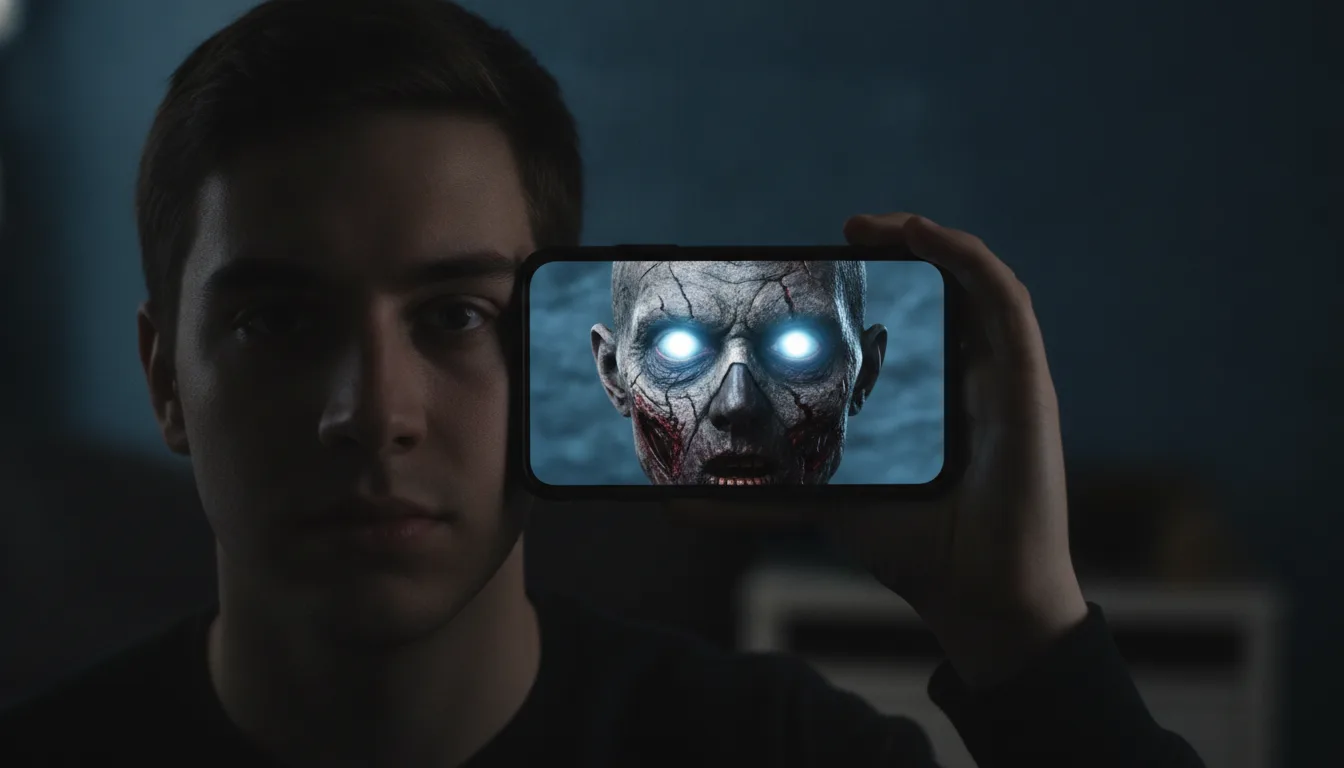
A step-by-step guide to making a zombie AI video from one photo: what a good source photo looks like, how the preview works, and what credits cost.
Oct 8, 2026
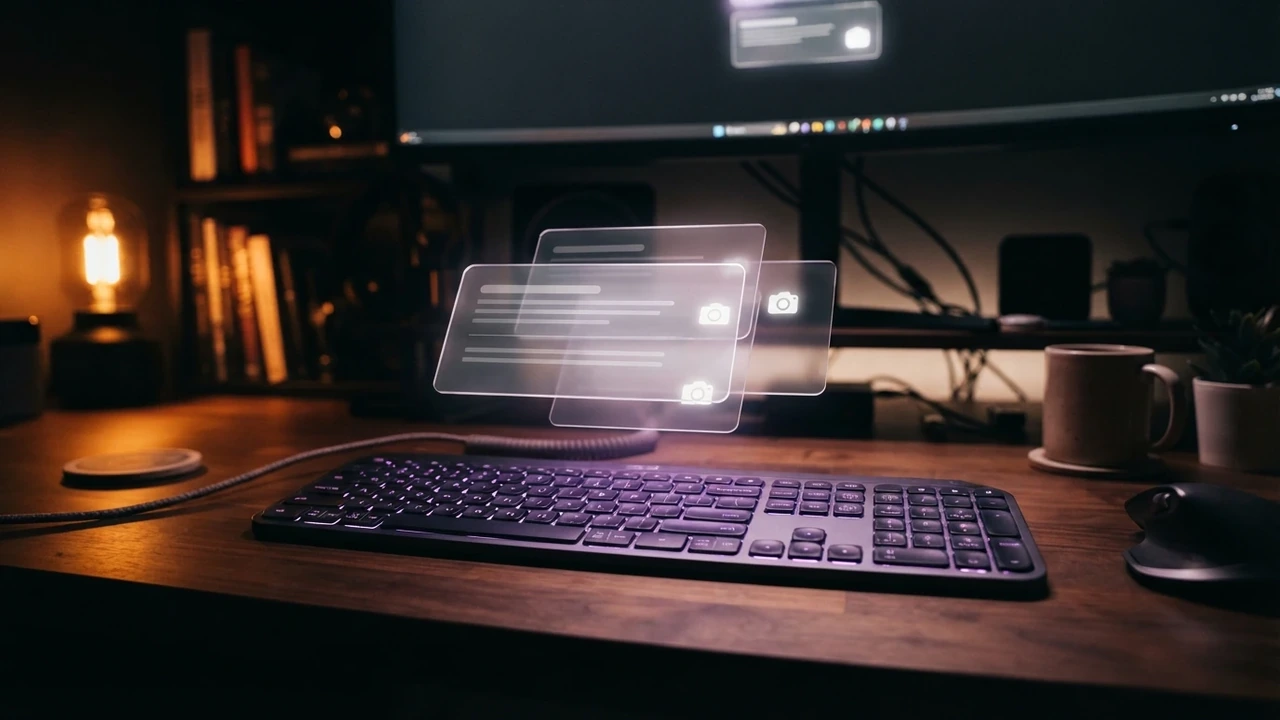
Fifteen zombie AI video prompts for the love story, pet, Halloween makeup, mini me and giant effects, with a short note on how prompts meet this site.
Oct 8, 2026
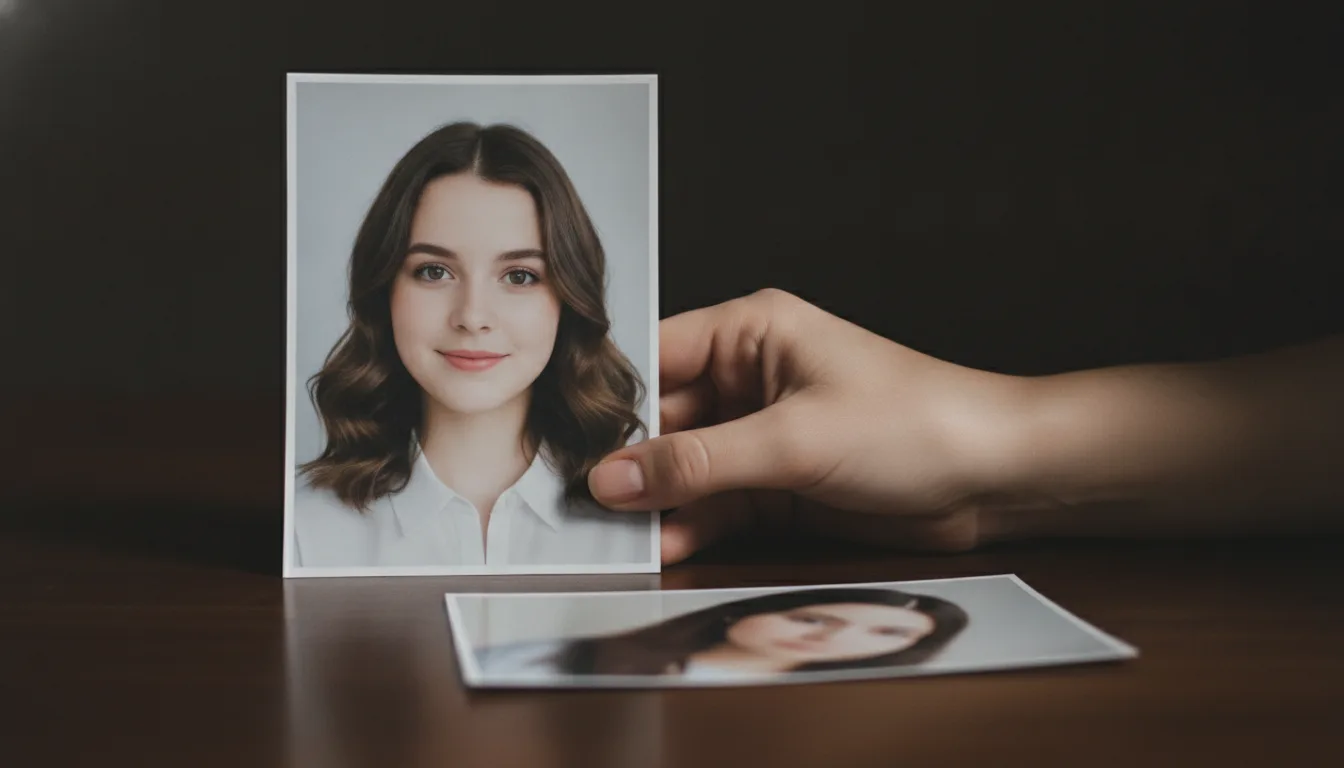
How to pick and prepare the source photo for a zombie AI video: front-facing framing, even light, sharp detail, and the mistakes that blur the likeness.
Oct 8, 2026
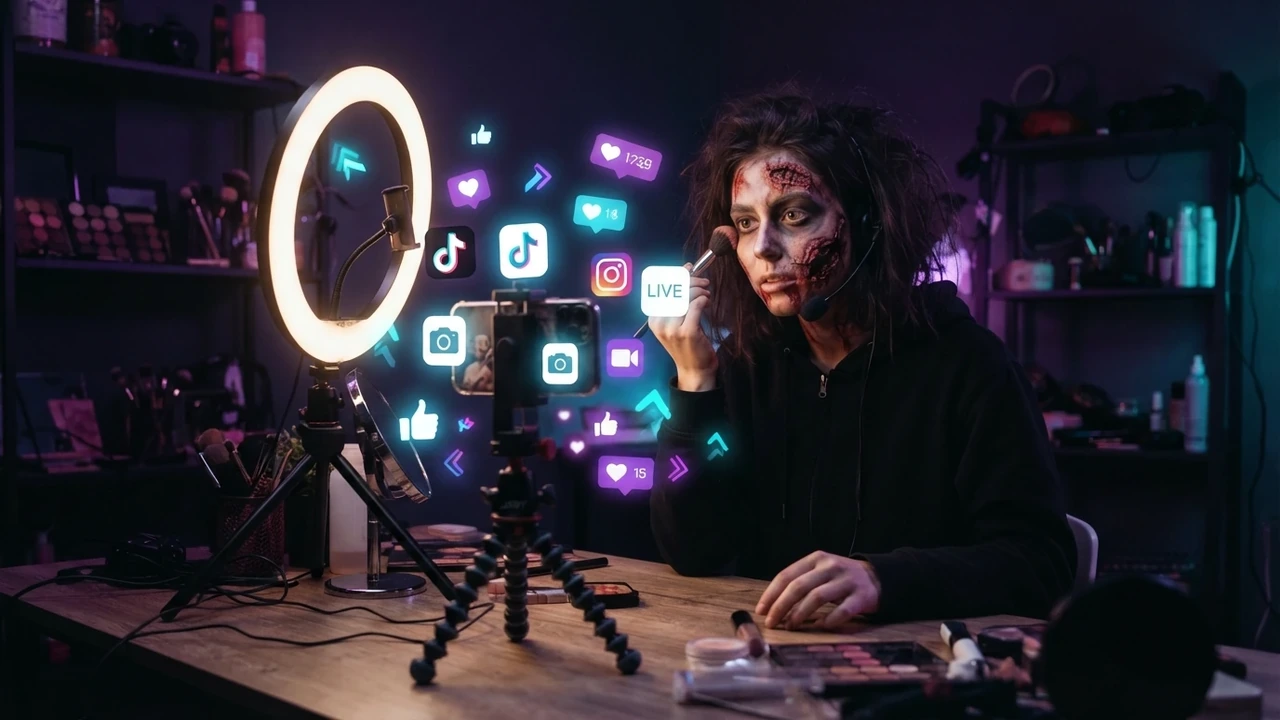
How to make the zombie love story clip for TikTok: vertical framing, the first-second hook, captions, hashtags, sound, posting time, and reply remakes.
Oct 8, 2026
How to publish the zombie love story clip on Instagram Reels: vertical framing, cover image, the four beats, the hard cut, cross-posting, and hashtags.
Oct 8, 2026
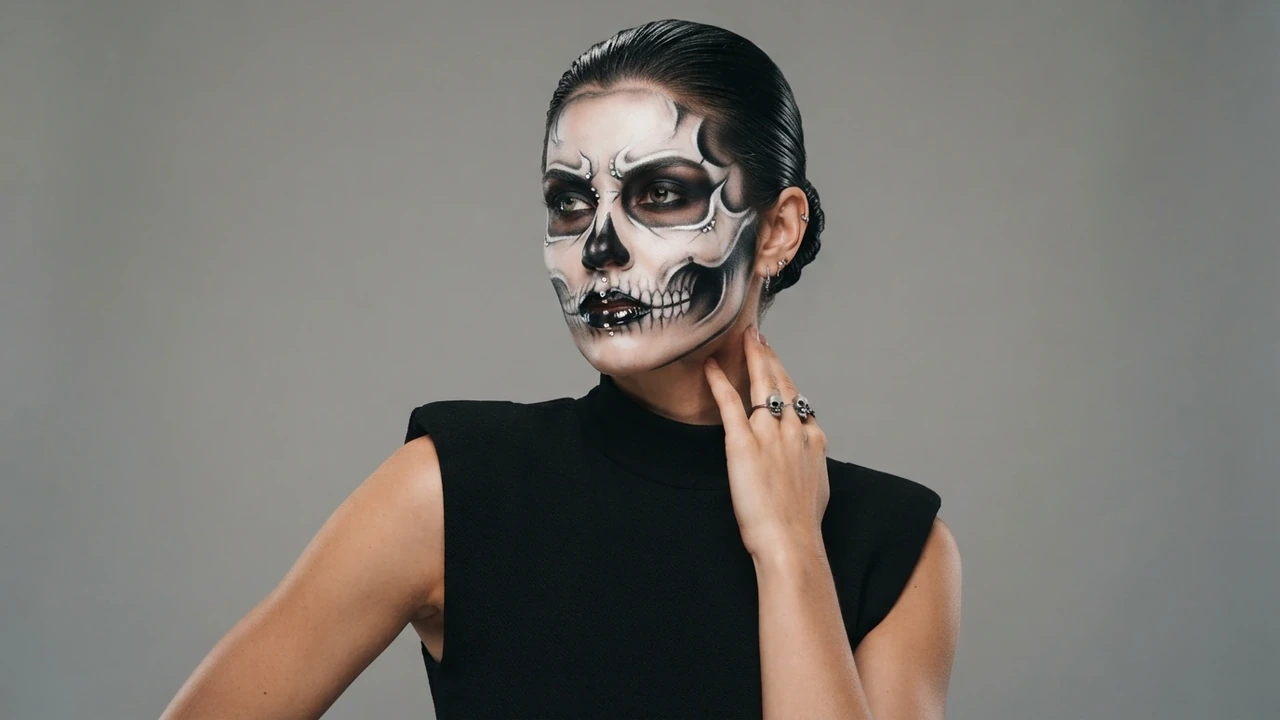
A look-by-look guide to the AI Halloween makeup effect: what it changes, how to describe the look you want, and how to pair it with a zombie story clip.
Oct 8, 2026
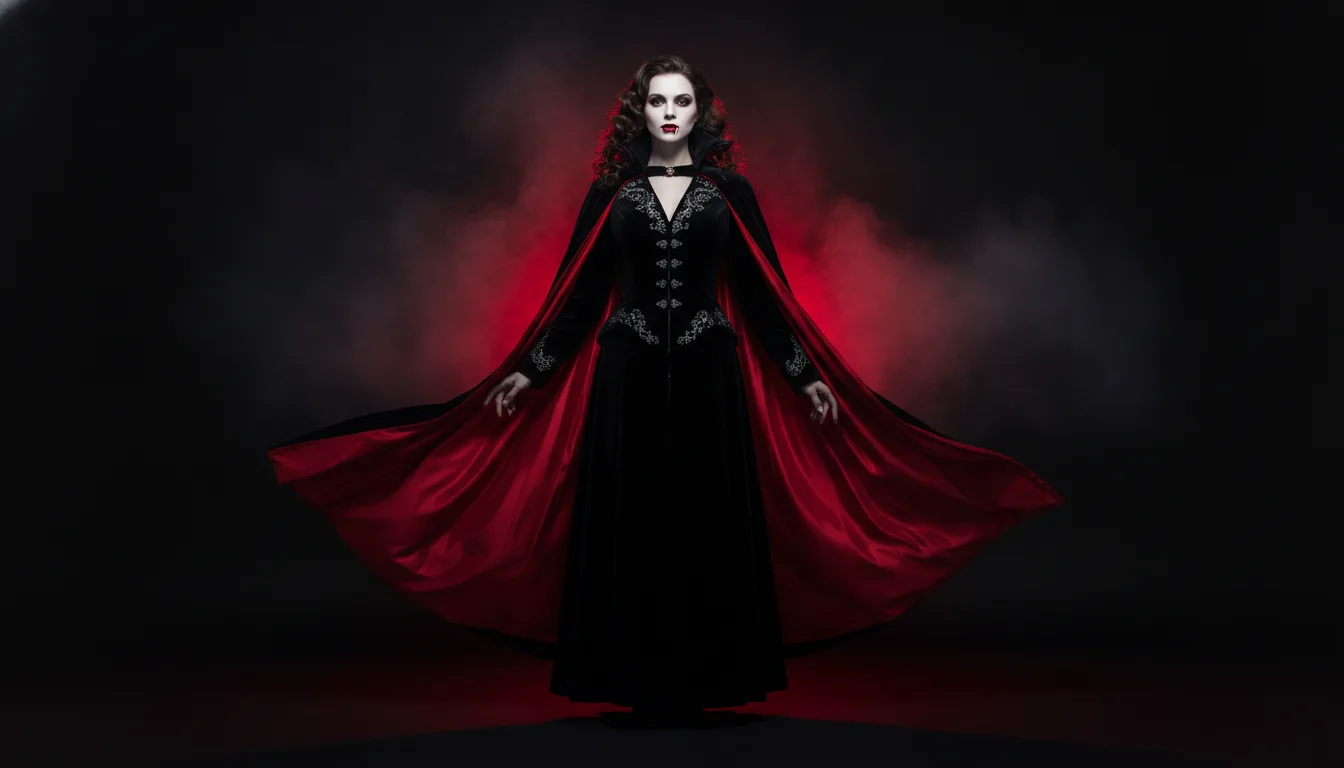
AI Halloween costume ideas for 2026: turn one selfie into several costume clips, plan a family and pet set, and post a Halloween series before 31 October.
Oct 8, 2026
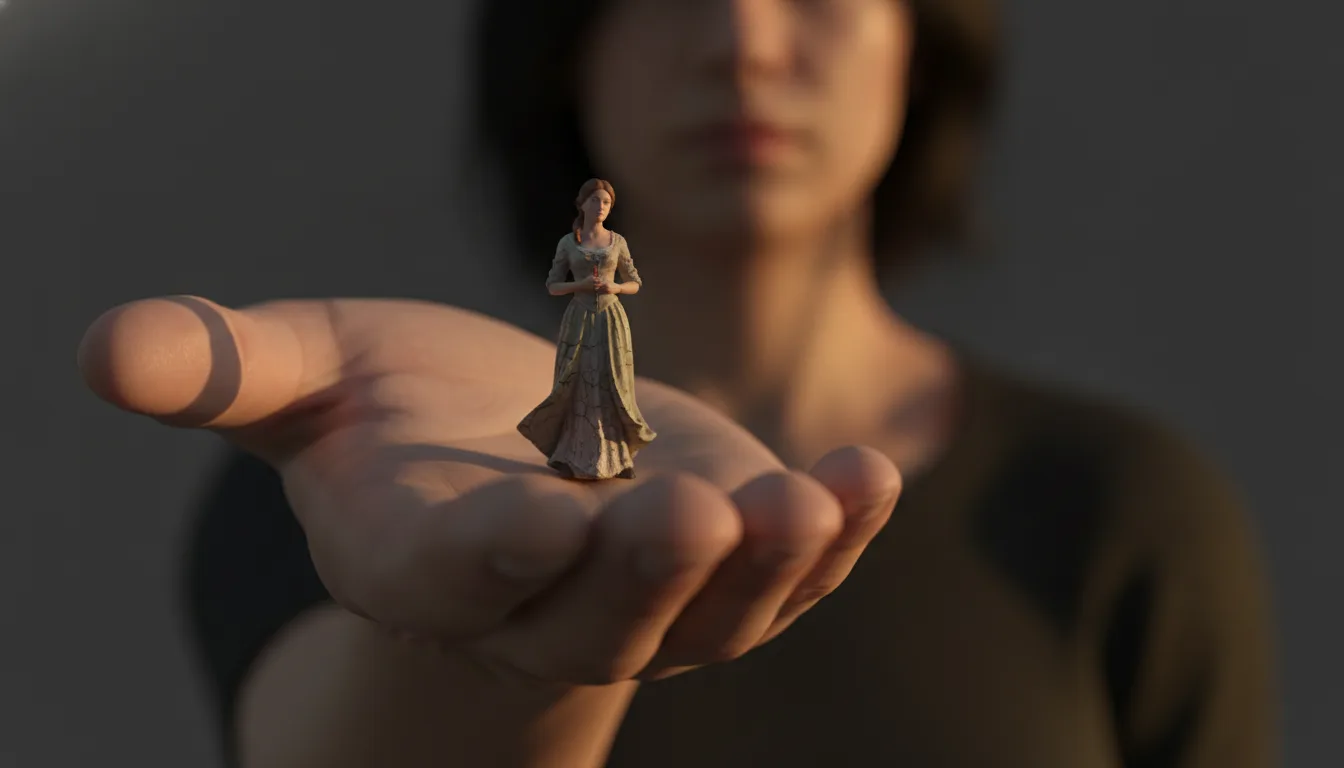
The AI mini me trend turns one photo into a tiny version of you inside a full-size room. How the effect is made, how to shoot for it, and clip ideas.
Oct 8, 2026
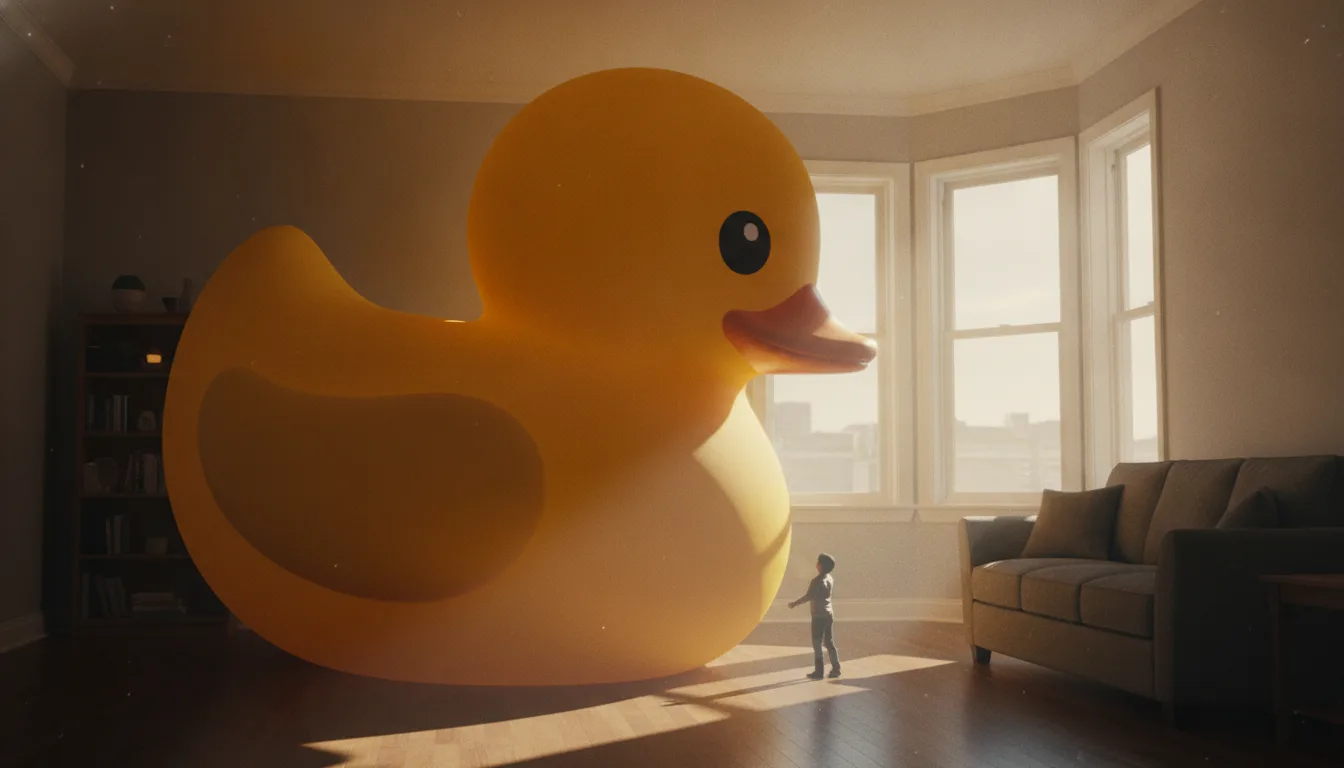
Make it giant AI scales a small everyday object up until it towers over a room. Which objects work best, how to keep the scene believable, and clip ideas.