Oct 8, 2026
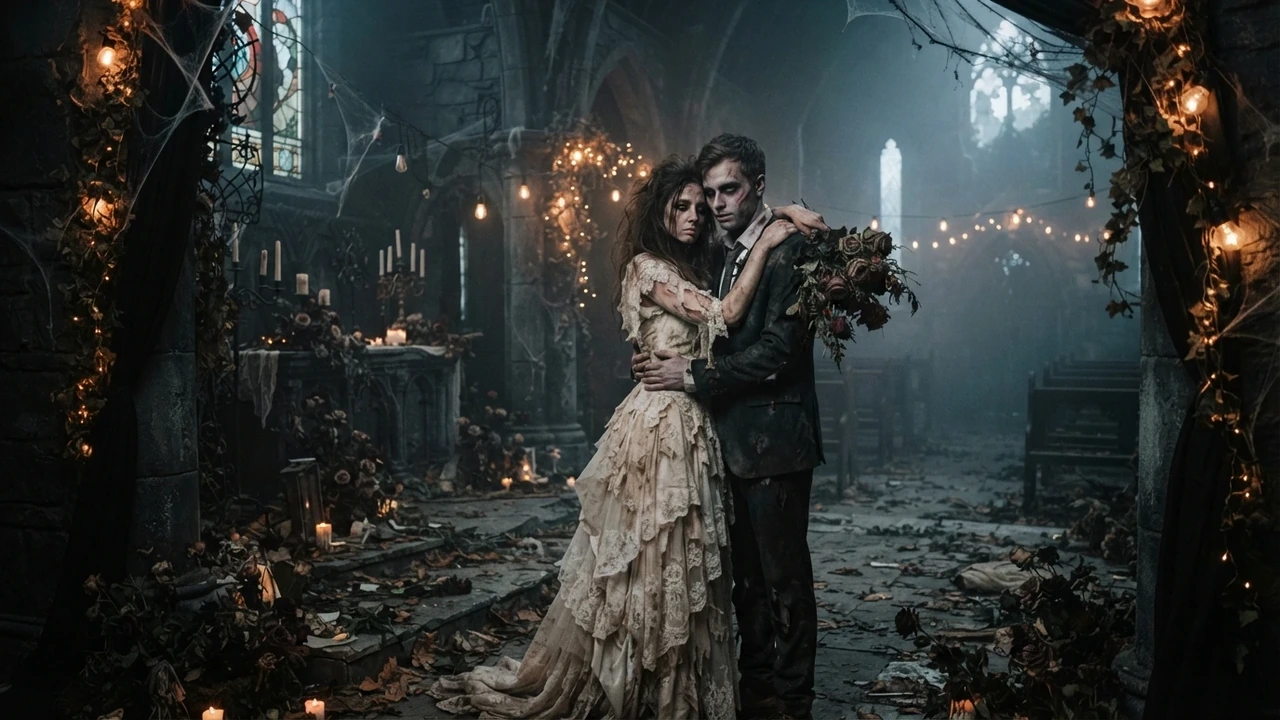
Zombie Love Story AI: How the Trend Works
The zombie love story AI trend explained: the four emotional beats, why it spread on short video, and how a photo becomes a cinematic clip of your own.
It can, but a group photo is harder than a portrait: the model has to hold several faces in one frame at once, and the more faces there are, the more the identity of each can drift. You still start from one uploaded image — there is no setup where you tag each face — so the whole result depends on what that single shot gives the model. On Zombie AI the effects are built to start from the photo the effect asks for, and the two-photo flagship takes two, not a crowd.
An image-to-video model reads one image and animates it. With one face, it has a single identity to keep consistent across every frame of the clip. With five faces, it has five, and each one is a separate thing the model has to keep straight while it also moves the scene, the camera and the light. More faces in a smaller area means fewer pixels per face, which is exactly the situation where a face slips between one frame and the next.
None of those are a reason not to try; they are the reasons to review the draft before you pay for a download.
The fixes are all in the source image. Put one clear direction of light on the group if you can. Keep everyone's face toward the camera and reasonably large in the frame. Avoid a shot where one person is backlit and another is in shade. If you are taking the photo specifically for this, a plain wall and a single window's worth of light beats a busy, mixed-lit scene every time. Sharp is better than atmospheric.
If the story you want has exactly two characters, the flagship zombie love story is the better tool: it asks for one photo per character precisely so it can hold each identity across the cut. A group shot with two people in it can work, but two separate, well-lit portraits give the model a cleaner job. The two-photo guide explains which pairs work, and the realism page covers face retention in general.
Zombie AI runs five effects on one image-to-video pipeline, and the clip is rendered by a third-party provider, so motion and timing vary between runs. That probabilistic rendering is why faces can drift in a way a manually edited video would not: the model is generating the frames, not warping a fixed cut-out. A generation that fails does not charge a credit. Review every clip before you publish it, and only upload photos of people you have permission to use.
One clip costs 300 credits, which is a 5-second video, and the studio shows the cost before you generate. A new account gets one free 5-second clip to watch, which is the cheapest way to find out whether your group shot survives the animation before you spend anything. The file you download has no watermark on it, and the pricing page lists the tiers.
Upload the group photo on the studio, pick an effect, and watch the draft on the free clip first. If the faces hold, download it; if they drift, go back to the shot — one clearer light direction and larger faces fix most of it — and try again.
Pick an effect, add the photos the studio asks for, and check the credit cost before you submit. The first 5-second clip is $4.99, and one-time packs carry no subscription.
Upload reference photo
JPG, PNG (max 10MB)
Upload the second photo
Optional. Add the other person's photo and the model keeps both faces instead of inventing one.
Or try an example
The clip is AI-generated, not real footage of the people in the photos.
A generation that fails does not charge you: the credits go back to your balance automatically.
Oct 8, 2026
The zombie love story AI trend explained: the four emotional beats, why it spread on short video, and how a photo becomes a cinematic clip of your own.
Oct 8, 2026
A step-by-step guide to making a zombie AI video from one photo: what a good source photo looks like, how the preview works, and what credits cost.
Oct 8, 2026
Fifteen zombie AI video prompts for the love story, pet, Halloween makeup, mini me and giant effects, with a short note on how prompts meet this site.
Oct 8, 2026
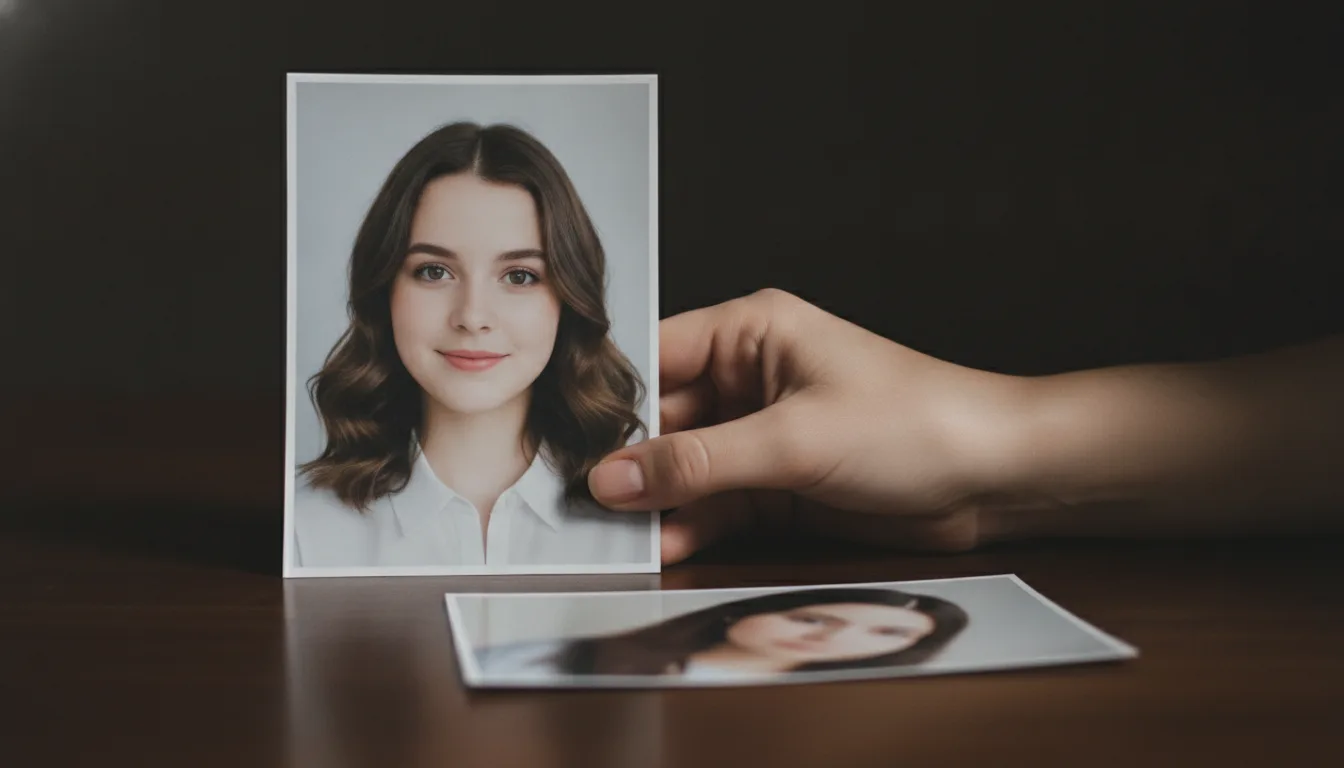
How to pick and prepare the source photo for a zombie AI video: front-facing framing, even light, sharp detail, and the mistakes that blur the likeness.
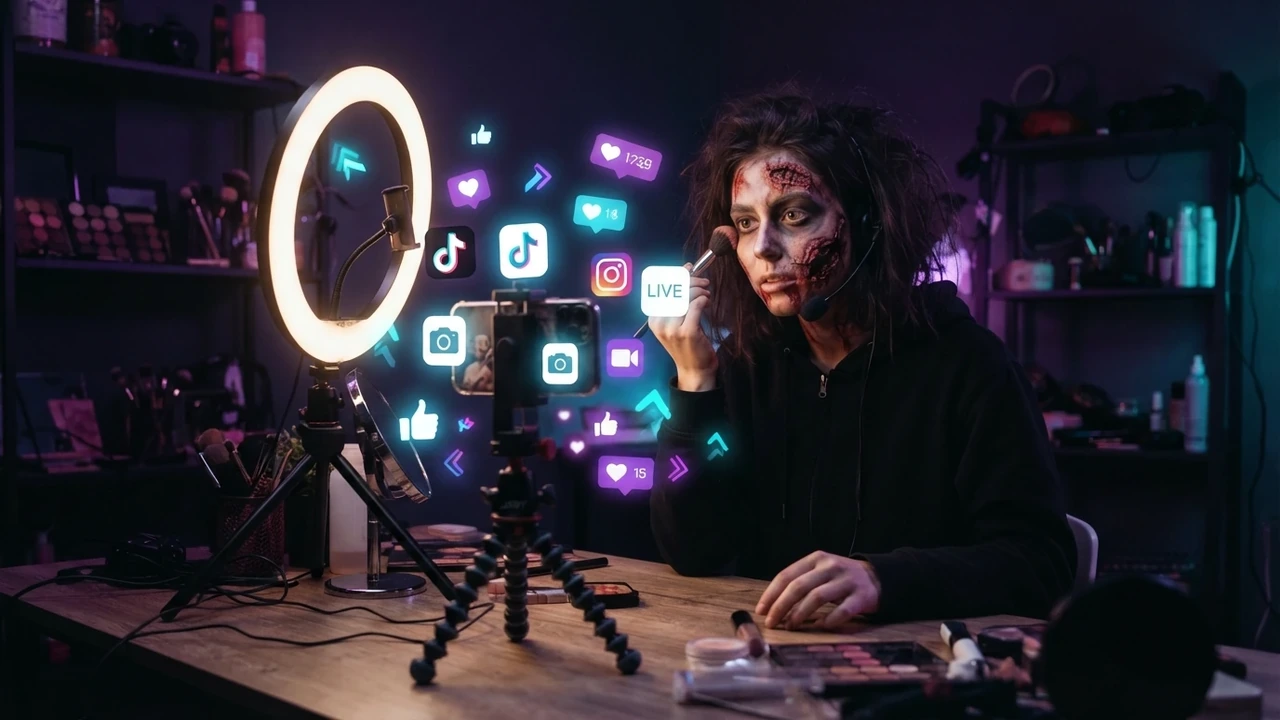
Oct 8, 2026
How to make the zombie love story clip for TikTok: vertical framing, the first-second hook, captions, hashtags, sound, posting time, and reply remakes.
Oct 8, 2026
How to publish the zombie love story clip on Instagram Reels: vertical framing, cover image, the four beats, the hard cut, cross-posting, and hashtags.
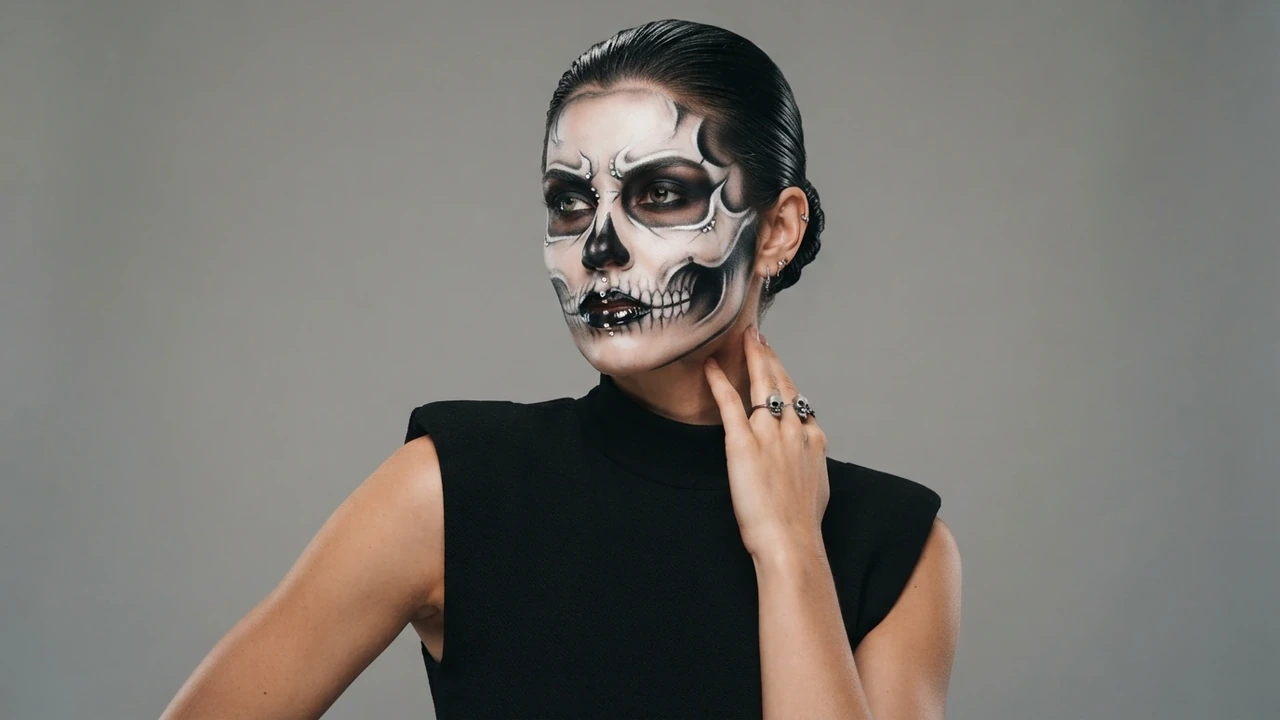
Oct 8, 2026
A look-by-look guide to the AI Halloween makeup effect: what it changes, how to describe the look you want, and how to pair it with a zombie story clip.
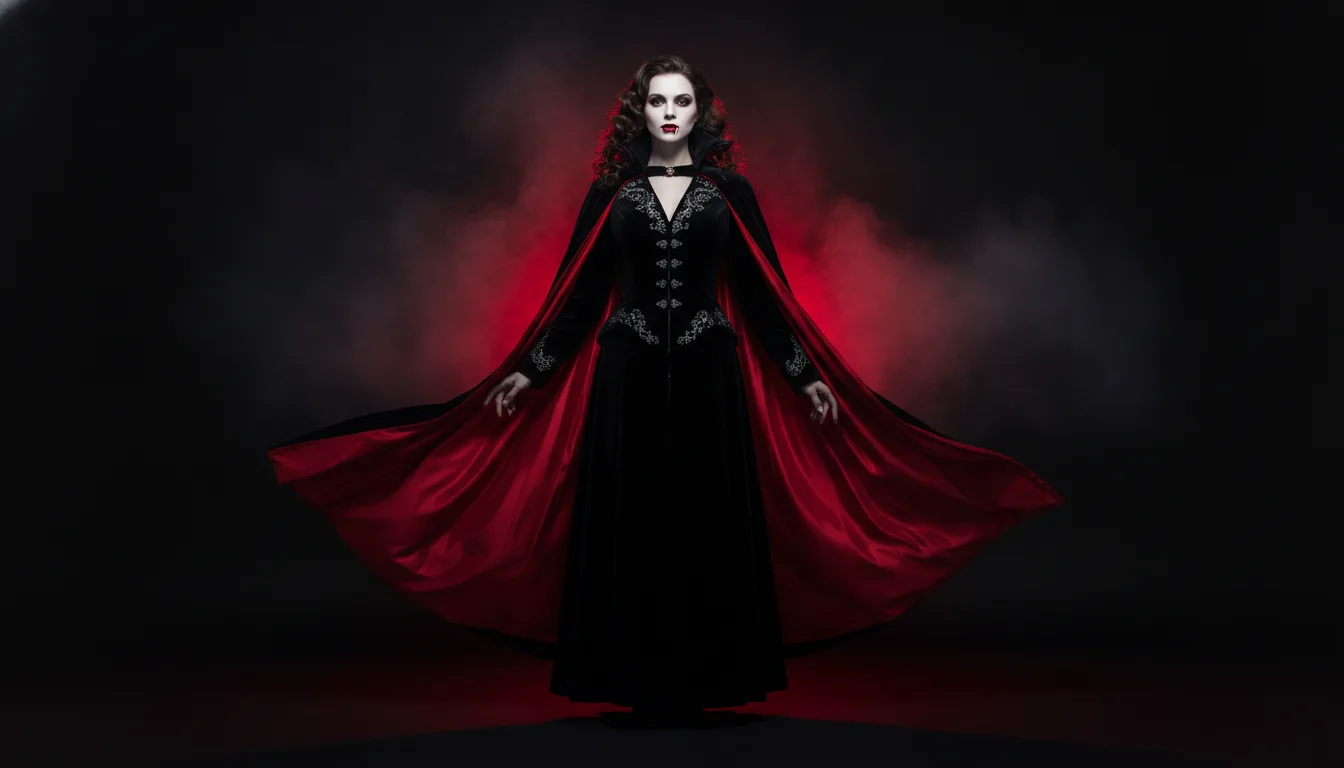
Oct 8, 2026
AI Halloween costume ideas for 2026: turn one selfie into several costume clips, plan a family and pet set, and post a Halloween series before 31 October.
Oct 8, 2026
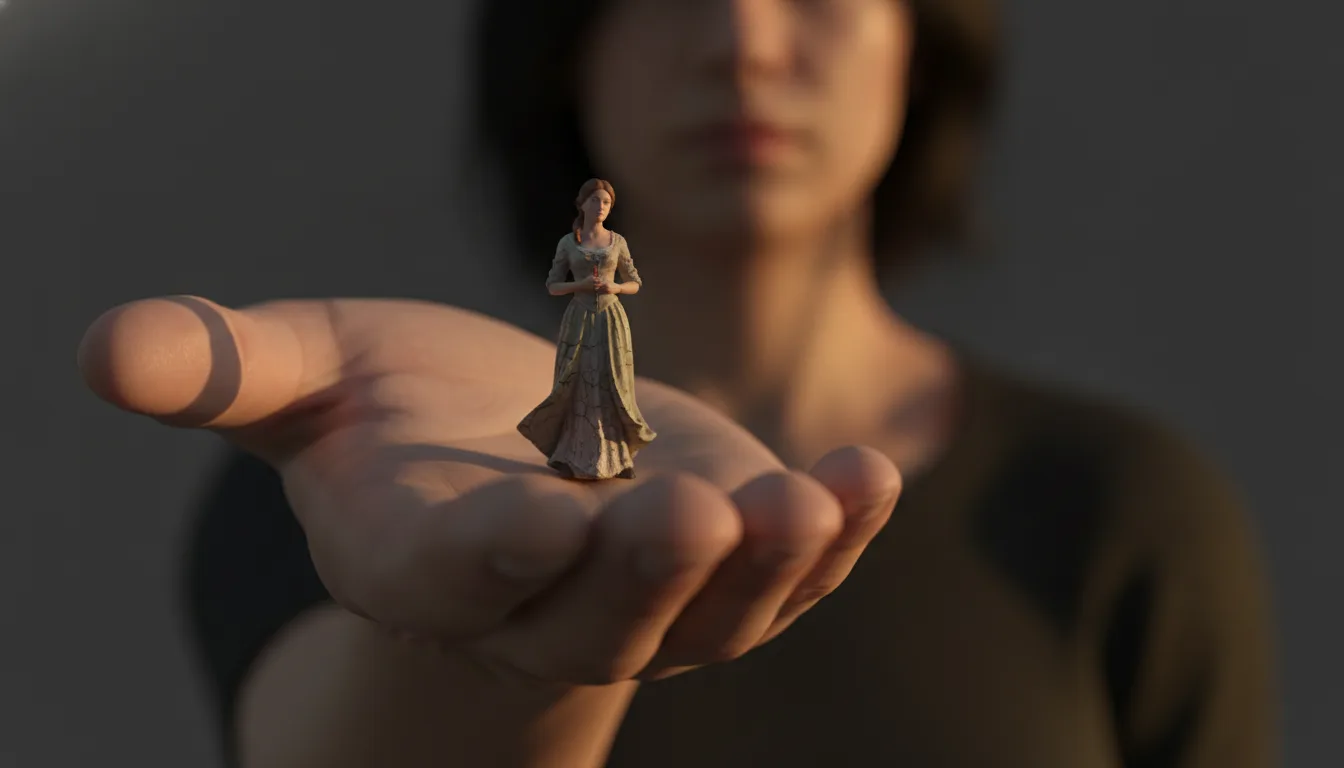
The AI mini me trend turns one photo into a tiny version of you inside a full-size room. How the effect is made, how to shoot for it, and clip ideas.
Oct 8, 2026
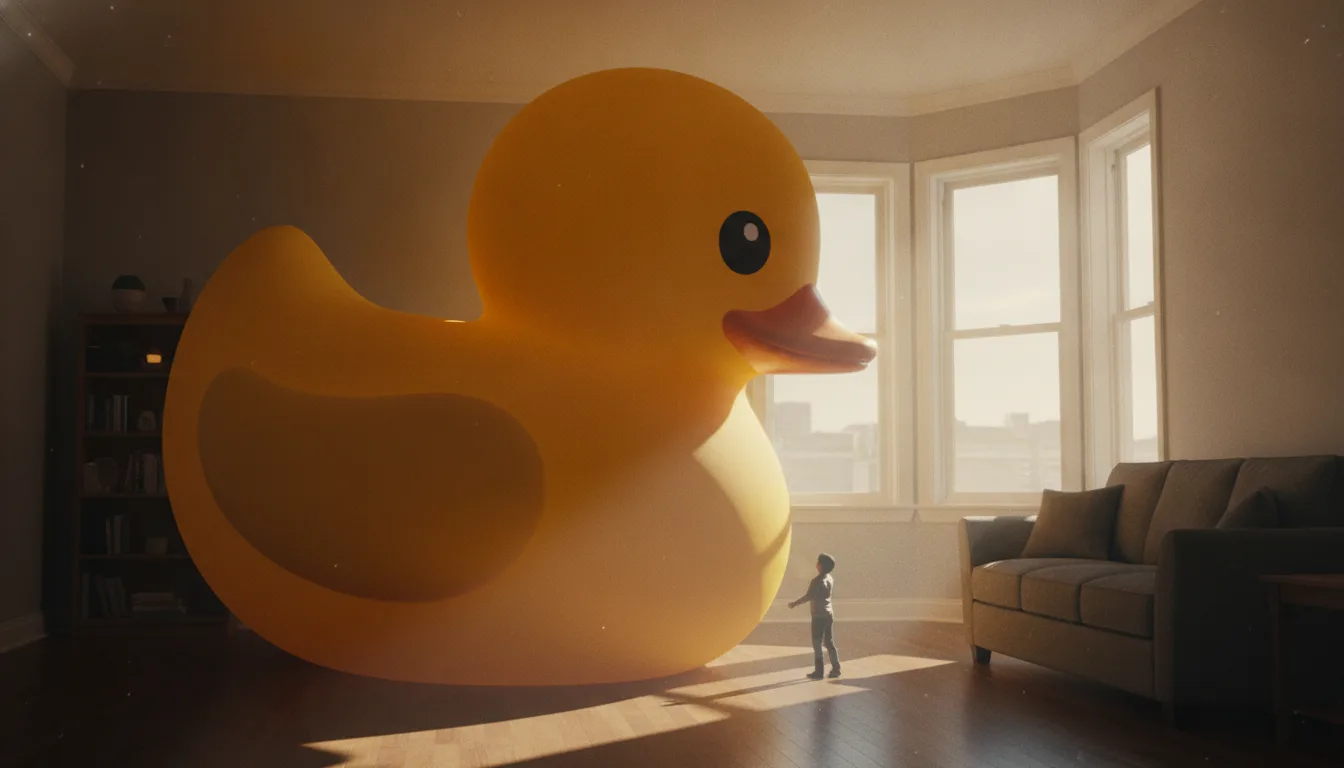
Make it giant AI scales a small everyday object up until it towers over a room. Which objects work best, how to keep the scene believable, and clip ideas.